
With the growing need for reliable and sustainable energy sources, solar power has emerged as a leading solution to meet the electricity demands of households worldwide. The concept of using solar energy to power homes is no longer a futuristic idea but a practical and accessible option for many. Driven by advancements in solar technology and increased awareness of environmental issues, solar power systems are increasingly being adopted to provide clean, renewable energy for everyday use.
**The Rising Importance of Solar Power in Residential Use**
Around the globe, millions of homes still face challenges related to reliable electricity access. In many developing regions, electrical infrastructure may be underdeveloped or prone to frequent outages. Even in developed areas, concerns over rising energy costs and environmental sustainability motivate homeowners to seek alternatives.
Solar power systems offer an efficient solution by converting sunlight into electricity directly through photovoltaic panels installed on rooftops or in open spaces. These systems can significantly reduce dependence on the conventional grid, decrease electricity bills, and lower carbon footprints, contributing to global efforts to combat climate change.
**From Street Lighting to Home Energy Solutions**
The journey of solar technology development began with various public uses, including street lighting. Initially designed to illuminate roads and public spaces, solar street lights have been instrumental in enhancing safety and accessibility in regions lacking reliable power supply. Thanks to the continuous evolution and refinement of solar energy products over the years, the technology has expanded beyond public infrastructure to residential and commercial applications.
One notable aspect of this evolution comes from companies specializing in solar power systems that began with street lighting products and have now expanded their portfolio to include comprehensive solar energy solutions for homes. These companies bring valuable experience, understanding of solar technology, and innovative solutions tailored to different energy needs.
**Comprehensive Solar Power Systems for Homes**
Modern solar power systems for households combine several key components:
- **Solar Panels:** These efficiently capture sunlight and convert it into direct current (DC) electricity.
- **Inverters:** These devices convert DC electricity into alternating current (AC) electricity, which is compatible with household appliances.
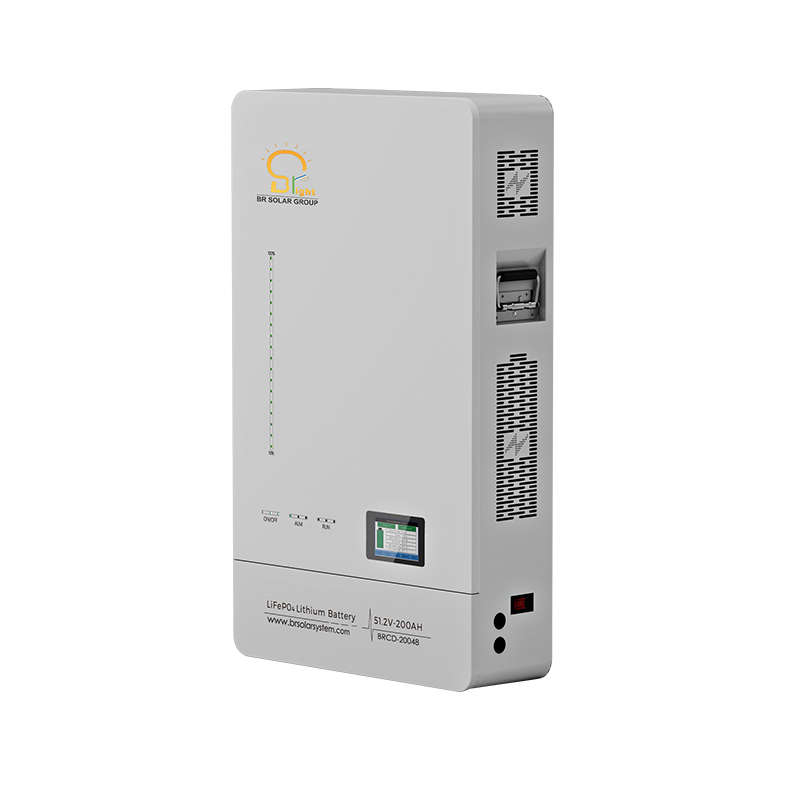
- **Energy Storage Systems:** Lithium batteries or gelled batteries store excess electricity generated during the day for use at night or during cloudy periods.
- **Control Systems:** Advanced monitoring and control devices help optimize energy use and ensure system safety.
By integrating these components, homeowners gain a reliable, off-grid or grid-tied power supply tailored to their consumption patterns.
**Addressing Global Energy Challenges with Solar Solutions**
Electricity shortages remain a critical challenge in many parts of the world. Rural and remote areas, in particular, suffer from inadequate power infrastructure, leaving roads dark and communities without access to basic electrical services. Solar energy solutions provide an effective means to overcome these limitations.
Solar street lighting has already demonstrated success in brightening roads and public areas, improving safety for residents. Extending this technology to power individual homes can create sustainable, self-sufficient communities that rely less on traditional, often polluting, energy sources.
**Advancements in Energy Storage Enhance Solar Viability**
A key concern with solar energy has traditionally been its intermittent nature—it depends on sunlight, which is not available at night and varies with weather conditions. However, advancements in energy storage systems, particularly lithium-ion and gelled batteries, have significantly improved the ability to store power efficiently. These energy storage systems enable users to maximize the benefits of solar energy by providing a continuous power supply, enhancing system reliability and user convenience.
**Environmental and Economic Benefits**
Solar power systems contribute not only to environmental conservation but also to economic savings. By reducing dependence on fossil fuels, solar-powered homes play an essential role in reducing greenhouse gas emissions that contribute to climate change. Additionally, homeowners experience a reduction in monthly electricity expenses, sometimes achieving complete energy independence.
In regions with net metering policies, excess electricity generated by solar panels can be fed back into the grid in exchange for credits, further enhancing the financial attractiveness of adopting solar power.
**Looking Ahead: The Future of Solar-Powered Homes**
The future of residential solar power looks promising. Ongoing innovations in solar panel efficiency, battery technology, and energy management systems continually improve system performance and affordability. Furthermore, supportive government policies, subsidies, and increasing consumer awareness encourage wider adoption.
As solar technology continues to mature, more homes will be empowered with clean, reliable energy, thus fostering sustainable living environments.
---
**About the Manufacturer**
A leading player in the solar energy industry began its journey focusing on solar street lighting poles and quickly earned a reputation for quality and innovation in solar street light markets worldwide. With the recognized global need for reliable electricity, especially in countries where roads remain dark at night due to lack of power, this manufacturer expanded its product range to offer comprehensive solar power systems.
Today, their product portfolio includes solar power systems, energy storage solutions, solar panels, lithium and gelled batteries, as well as inverters — providing integrated solar solutions to meet diverse energy requirements. Their expertise underscores the shift from public solar infrastructure towards personalized energy independence for homes, supporting global efforts to promote sustainable energy and improve living standards.
---
In conclusion, solar energy holds immense potential to transform how homes access and consume electricity. By leveraging mature solar technology and integrated energy storage systems, more households worldwide can transition to clean energy, contributing to a greener planet and more resilient communities. The expansion of companies from street lighting to full-fledged solar power systems for homes marks a significant milestone in making solar power a mainstream, dependable energy source for everyday life.